OKWULEHI, BEFORE YOU QUESTION AKALIRO’S RECORD, LET THE WHOLE RECORD SPEAK
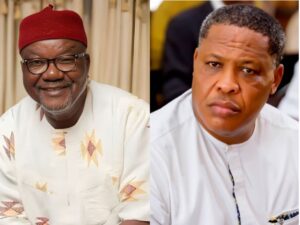
We have read the statement by Hon. Onyendi Okwulehi, a serial contestant for the Umuahia North (Ohuhu) State Constituency seat, asking Hon. Anderson Kelechi Akaliro to let his record speak. That demand is fair. But if the record must speak, then it must speak in full, not selectively and not only from the narrow perspective of what a State Assembly member personally constructs.
Hon. Anderson Kelechi Akaliro is a legislator, and the work of a legislator goes beyond personally executing roads, bridges or other physical infrastructure. His responsibilities include lawmaking, motions and resolutions, representation, constituency advocacy, petitions, oversight and engagement with the Executive on issues affecting his constituents.
Since assuming office, Akaliro has continued to raise issues affecting the people of Umuahia North on the floor of the Abia State House of Assembly. On the collapse of the Mbato Ofeme Bridge, he raised a Matter of Urgent Public Importance, leading to legislative action and engagement with the Ministry of Works on the need for intervention. He subsequently accompanied the Works Commissioner to the area as government moved towards addressing the problem.
The same commitment has been demonstrated in the area of public safety. Following the fire incident at Akagor Fuel Station in Ohuhu, Akaliro raised the absence of a functional fire service outpost in the area and called for its establishment, alongside adequate firefighting equipment, emergency vehicles and personnel.
On erosion, Akaliro has also raised concerns over the devastating erosion sites across Umuahia North. His intervention resulted in the House Committee on Environment, NEWMAP and Urban Renewal visiting affected areas, including Umu-Nkpu Ofeme, Oriendu Ubaha Umuezike, Umurum Umu-Ugba Ekeoba, Elugwu Umu-Ugba Ekeoba, Nkwoegwu Market, Umuakam and Chief Mba Onwuasoanya Okpu Isingwu, to assess the situation and seek intervention.
These are not empty statements. They are examples of a legislator identifying problems, bringing them before the appropriate authorities and pursuing solutions for his constituents.
But legislative representation does not end on the floor of the House. It also includes attracting development and facilitating opportunities for constituents.
The development record associated with Akaliro includes the construction of Afor-Umuda Market in Ofeme, the attraction of the NSCDC Divisional Headquarters at Okaigua Nkwoegwu and the High Court building at Nkwoegwu-Ohuhu. His constituency interventions also include the annual sponsorship of the Ohuhu Spelling Bee, sponsorship of a constituent for a beginners’ radio training programme, scholarships for constituents at the Federal College of Education, Ofeme, and annual JAMB registration for constituents.
These interventions speak to different dimensions of representation: infrastructure, security institutions, justice infrastructure, education, youth development and opportunities for young people.
Akaliro has also continued to engage the Executive on roads and other infrastructure affecting Ohuhu. Nobody is saying that a legislator should fold his arms and leave everything to the Executive. On the contrary, a representative is expected to identify constituency needs and continuously demand action on roads, erosion, security, employment and other matters affecting the people.
This is why the ongoing infrastructure programme under the Abia State Integrated Infrastructure Development Project is important to the conversation. The current procurement process captures major projects relevant to Ohuhu and the wider Umuahia area, including the Amaogwugwu–Umuagu–Afor Umuezike Road, the Umuezike–Afor Umuda–Uzo Isingwu–Empire Carpet Industries Road, the Afor Umuda–Ulonna North Road and the Umuahia Gully Erosion Control and Protection Project.
These projects are currently part of the procurement process and should not be falsely presented as completed projects. But they represent the type of infrastructure needs that constituency representatives are expected to continue advocating for, monitoring and drawing government attention to.
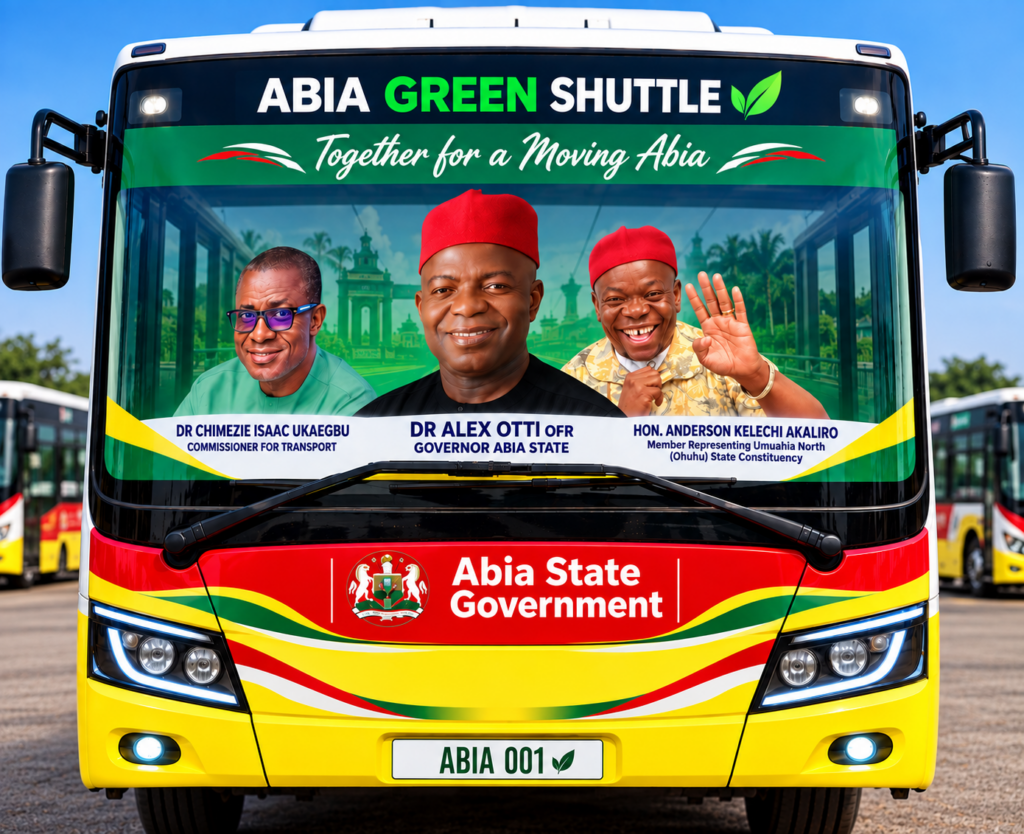
Then comes the Green Shuttle issue. If Akaliro requested an additional Green Shuttle bus for Ohuhu and Governor Alex Otti approved it, there is no contradiction in acknowledging both roles. The Governor deserves credit for approving and implementing the intervention, while the legislator deserves recognition for bringing the constituency need to the attention of the Executive. At the end of the day, it is the people of Ohuhu who benefit.
That is how governance works.
The legislature and the Executive have different constitutional responsibilities, but they do not operate in separate worlds. The legislature makes laws, represents constituents, considers public expenditure and exercises oversight, while the Executive implements government policies and projects. Effective representation therefore requires engagement between both arms of government.
So, when the question is asked, “Where is Akaliro’s record?”, the answer is that the record is broader than the construction of a road by a legislator. His record includes legislative interventions, constituency advocacy, motions, petitions, oversight, infrastructure advocacy, educational support, youth development initiatives, institutional projects and engagement with the Executive on matters affecting Ohuhu.
And nobody is excusing him from doing more. The people of Ohuhu expect more roads. They expect stronger action on erosion. They expect improved security. They expect employment opportunities, better infrastructure, education and more constituency interventions. A good representative must continue to demand these things, regardless of what has already been achieved.
But accountability must be fair.
If the demand is that every public office holder should be judged by his record, then let the entire record be placed on the table. Let the legislative interventions speak. Let the Ofeme Bridge matter speak. Let the fire service proposal speak. Let the erosion intervention speak. Let the constituency projects speak. Let the educational interventions speak. Let the petitions and oversight responsibilities speak. Let the infrastructure advocacy speak. Let the Green Shuttle intervention speak.
That is the complete picture.
Ohuhu deserves accountability, documented representation and continuous development. But that accountability must be based on an accurate understanding of what a legislator is constitutionally responsible for.
And when the entire record is placed before the people, they can judge the work of their representative based on the evidence, the interventions made and the results recorded.
The facts also speak to experience. Ohuhu people understand the difference between experience and inexperience, between demonstrated legislative capacity and political ambition. They will not substitute an experienced lawmaker with demonstrated legislative capacity and a clear understanding of legislative duties with a greenhorn who lacks basic knowledge of the duties and constitutional responsibilities of the office.
LET THE WHOLE RECORD SPEAK.
EXCESS GRACE MEDIA
About The Author